Shared-Use Areas Maintained Alongside Active Production Schedules
Industrial cleaning in Festus for light-manufacturing and warehouse facilities where break rooms, restrooms, and office wings need steady upkeep separate from the production floor
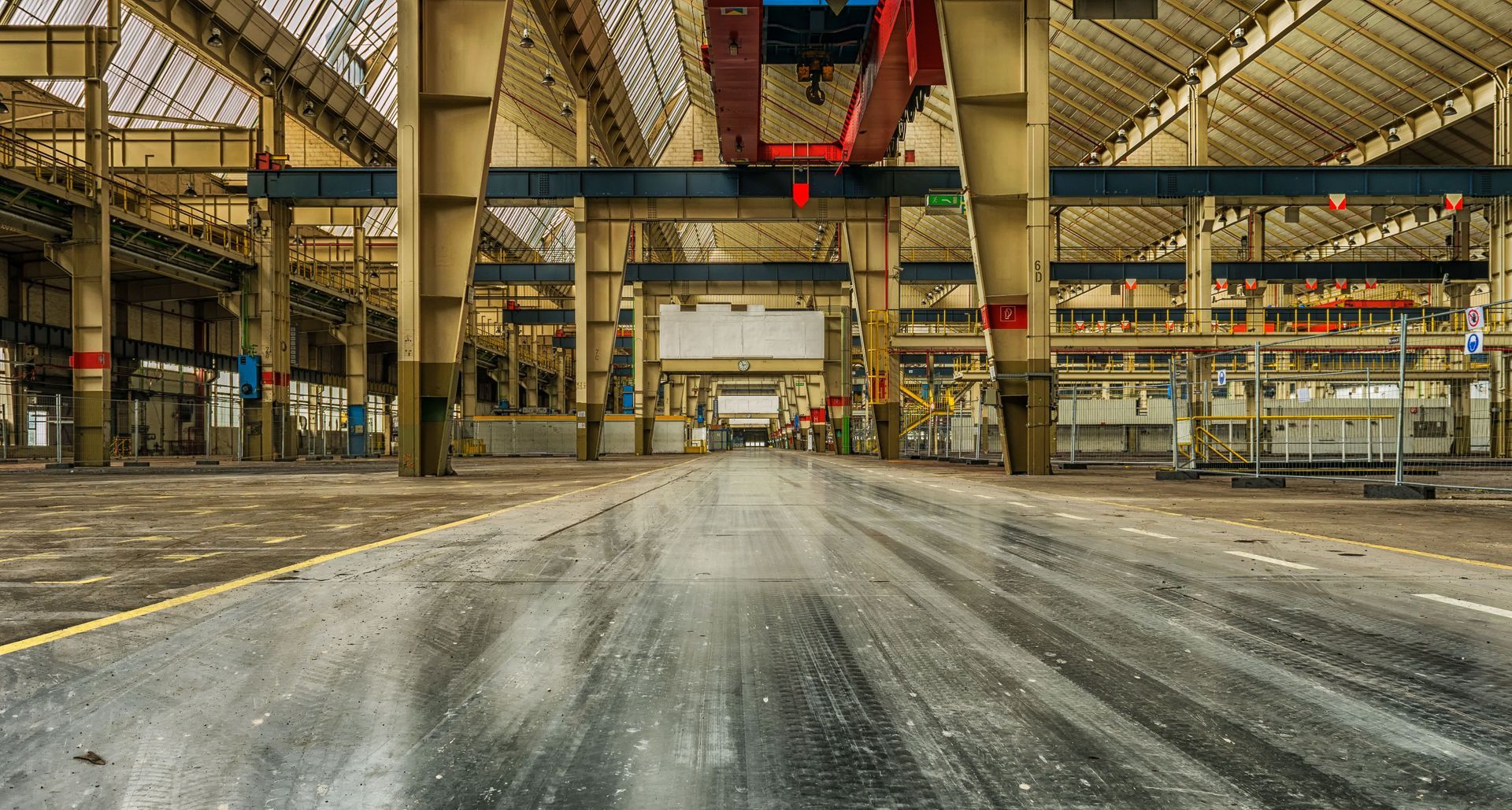
Light-industrial and manufacturing buildings along Festus and Herculaneum's industrial corridors are typically laid out with production floors, office wings, and employee-shared spaces — break rooms and restrooms — operating as distinct zones with different cleaning requirements and different levels of access. Mickie's Finest Clean scopes industrial cleaning to the specific areas the client wants maintained, so the cleaning crew stays within agreed boundaries rather than moving through a production floor uninvited. The business is insured, bonded, and carries workers' compensation, which is a baseline requirement for after-hours access to a manufacturing or warehouse facility where equipment and materials are present.
The process starts with a free walkthrough to define exactly which areas are in scope. That walkthrough maps the break rooms, restrooms, office-area floors, and any other shared-use spaces the client wants on the recurring checklist. Production floors are only included to the agreed level — if production-floor cleaning isn't part of the scope, it stays off the checklist. Work runs after shift hours on a recurring schedule covering trash removal, restroom cleaning, break room and kitchen surfaces, floor vacuuming and mopping in office areas, and surface dusting. The same scope runs every visit without tasks rotating off.
Arrange a walkthrough of your facility so the scope can be defined and the cleaning checklist built before the first night of service.
What Industrial Facility Cleaning Actually Accomplishes
In a manufacturing or light-industrial building, the shared-use areas accumulate differently than they do in a standard office — break rooms handle a higher volume of use across multiple shifts, restrooms serve a larger employee population relative to their square footage, and hard floors in office wings adjacent to the production floor pick up tracked-in material that doesn't appear in a typical commercial building. Mickie's Finest Clean accounts for these conditions during the walkthrough rather than applying a one-size template, which means the cleaning frequency and scope reflect how the building is actually used, not how a generic industrial space might be used.
After each completed visit, the observable changes in shared-use areas are practical ones: break room tables and counters cleared and wiped, restrooms sanitized and stocked, trash removed so it doesn't accumulate into the next shift, and office-area floors free of the tracked debris that builds at transition points between production and office zones. Those outcomes matter specifically because shared-use spaces in a manufacturing facility affect employee function — a restroom that's missed for a night in a high-use environment shows up differently than it does in a quiet professional suite.
Because the scope is fixed during the walkthrough, production areas that aren't in the cleaning agreement stay off the checklist — the crew doesn't make independent decisions about what to clean or not clean beyond what was confirmed before service started.
What Facility Managers Ask About the Work
The questions below address how industrial cleaning is scoped for manufacturing and warehouse facilities, how shared-use and production areas are handled separately, and what supervisors will notice once recurring service is running.
How is the boundary between shared-use areas and the production floor established before cleaning begins?
The walkthrough defines exactly which areas are in scope — break rooms, restrooms, office wings, specific hallways — and that boundary is reflected in the checklist so the crew does not move into production areas unless they are explicitly included.
What does restroom cleaning involve in a high-use industrial facility versus a small professional office?
In high-use facilities, restroom cleaning requires more attention to fixtures, floors, and dispensers because the volume of daily use is significantly higher — the sanitizing protocol runs the same way every visit regardless of how busy the shift was.
Why does scheduling industrial cleaning after shift hours matter for the cleaning outcome?
Cleaning after the shift clears the facility means break rooms and restrooms aren't in active use during the cleaning window, which allows surfaces to be fully cleaned rather than worked around, and floors can be mopped without foot traffic before they dry.
How are hard floors in office areas adjacent to production floors different to maintain?
Transition zones between production and office areas accumulate fine debris and particulate that doesn't appear in standard commercial spaces — vacuuming before mopping is especially important in these zones because the material tracked in from a production floor is denser than typical office foot traffic deposits.
What does the recurring checklist include for a typical light-industrial building in Festus?
The standard recurring scope covers trash removal and liner replacement, restroom cleaning and sanitizing, break room and kitchen surface cleaning, office-area floor vacuuming and mopping, and accessible surface dusting — the production floor scope is set separately during the walkthrough if applicable.
Mickie's Finest Clean also performs industrial cleaning in Crystal City, Herculaneum, Pevely, Arnold, and Mehlville. To build a cleaning checklist that fits your facility's layout and shift schedule, set up a no-cost walkthrough with Mickie's Finest Clean before the first night of service.